






















WHAT IF?
By: Joffre Salazar, COPEI instructor
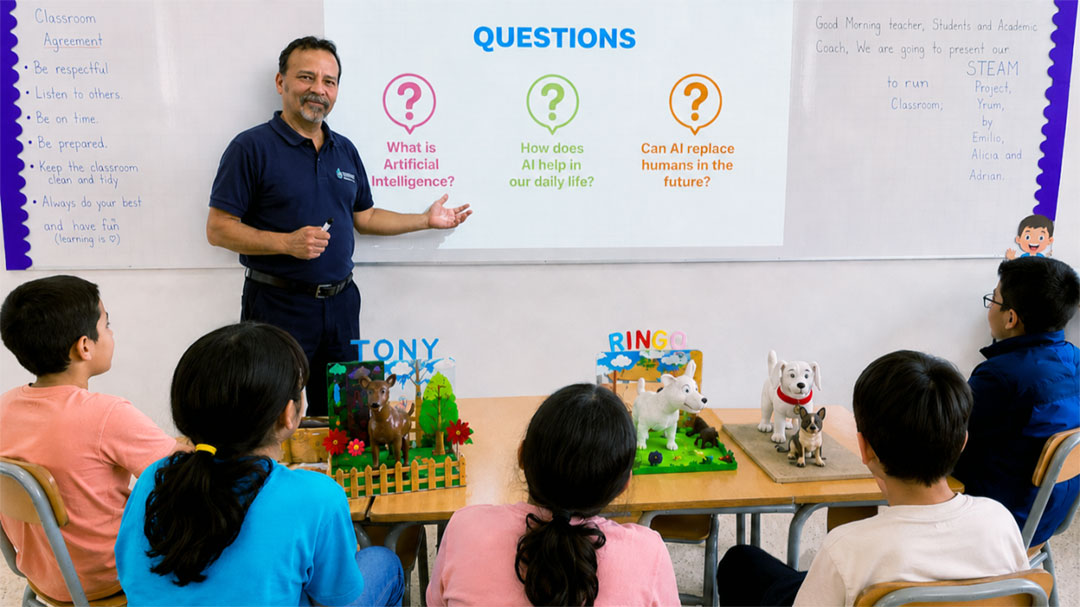
What if all students are at different levels?
One of the biggest challenges teachers face is managing classes where students have varying levels of proficiency. Some possess a wide range of English knowledge, while others are just beginning their journey. Teachers facing these challenges must program their classes so that students do not feel discouraged by these differences. One effective way to address this is by forming mixed-ability groups where students feel comfortable within their teams.
When I identify the proficiency levels of my students, I mix them intentionally: pairing a «stronger» student with a «weaker» one. This allows those with more knowledge to support their peers, creating a balance of knowledge when completing tasks in Listening, Speaking, Reading, and Writing. However, this must be handled with great sensitivity to ensure that lower-level students do not feel intimidated and stronger students do not feel burdened by an «obligatory» teaching role.
Fortunately, COPEI classes provide ample room for grouping students during tasks. The desks are modern and comfortable, and the air conditioning creates a soothing environment that allows students to work smoothly. If the study area is large enough, it becomes an ideal space for kinesthetic activities such as Running Dictation, Pictionary, Telephone, Pass the Sheet, and Find Your Mate.
As a teacher, I give everyone the chance to participate and deliver their responses during guided exercises. If a student makes a mistake, I wait until the end of their turn to provide corrections regarding pronunciation or structure. When students are reluctant to participate, I encourage them not to be afraid; I remind them that mistakes are part of the process. This builds the confidence they need to eventually speak up.
I also use varied tasks to keep the environment relaxing. Dictation is one of my favorite activities because it integrates all four core skills. When a student makes five or fewer mistakes, I write encouraging phrases like «Excellent!» or «Keep up the good work!» in their notebooks. These small gestures inspire them to keep trying.
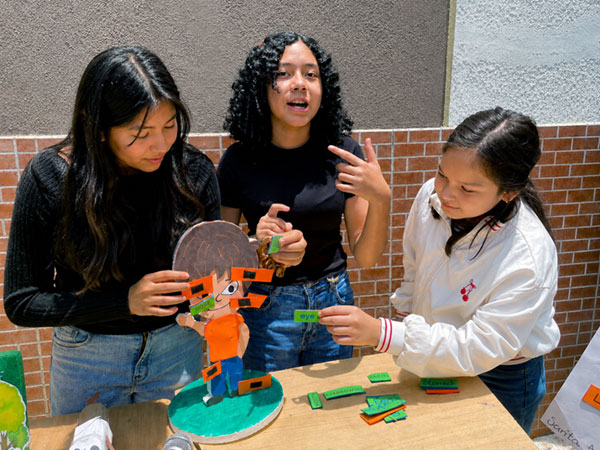
Many teachers faced with mixed-level classes adopt a blend of these solutions. However, it is vitally important that this is done in a supportive and non-judgmental manner. Students should never be made to feel inferior; instead, the benefits of different activities should be explained to them. Furthermore, we must remain sensitive to their wishes. If a student is uncomfortable with a specific grouping, we should either gently persuade them of its benefits or respect their preference.
My motto: Teach English with love, passion, feeling, and enthusiasm—when you do, your students will feel the same.